Spanish
 English
Showing all 22 resultsSorted by latest
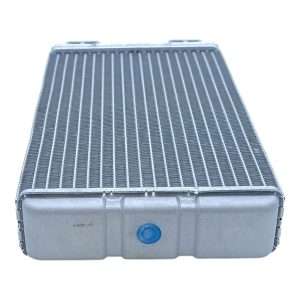
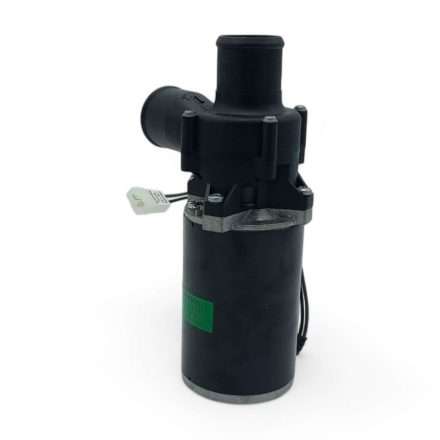
7145400147; 7.145.400.147
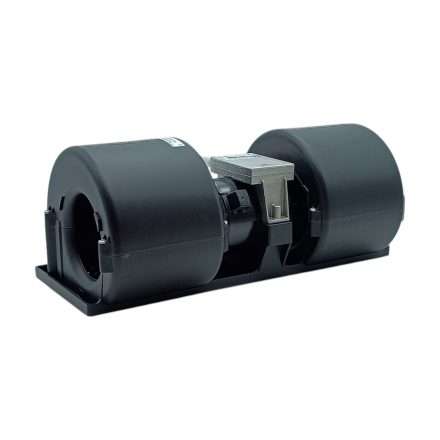
7.145.400.164; O6001; HW5050001; 1803922653; 7145400164
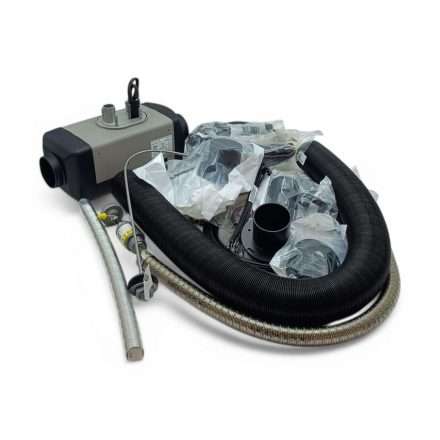
7145400262; 7.145.400.262
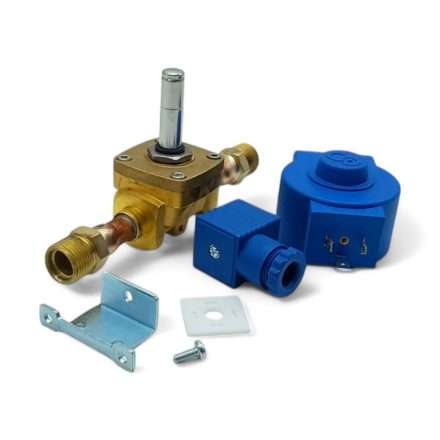
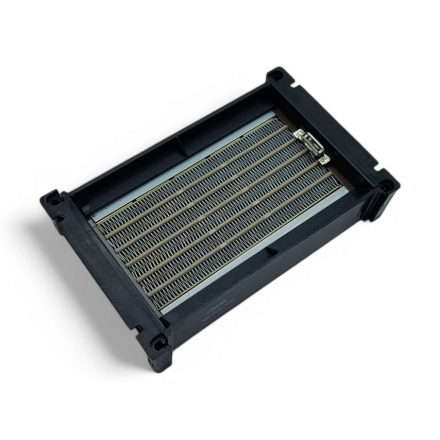
7145400305; 7.145.400.305
7142400203; 2417711; 2417712
Tube-and-Fin Radiator: This is the most common type of radiator found in vehicles. It consists of a series of thin tubes arranged in parallel and separated by fins, which increase the surface area in contact with the air. The coolant flows through the tubes while air circulates through the fins, transferring heat from the coolant to the air.
Honeycomb-Shaped Radiator: This type of radiator uses a honeycomb-like structure with small cells that allow air and coolant to flow through. The honeycomb-shaped radiator is usually enclosed in a plastic housing, which also features a series of fins that improve heat exchange efficiency.
Aluminum Matrix Radiator: This type of radiator uses a series of aluminum tubes with welded fins. The aluminum matrix is highly efficient at transferring heat and is also lightweight.
Polymer Matrix Radiator: This type of radiator has a structure similar to that of an aluminum matrix radiator, but instead of aluminum, the tubes and fins are made of high-strength plastic. These radiators are lightweight and have the advantage of being less expensive than aluminum ones.
Electric Heater: This type of heater does not use coolant; instead, it relies on electric heating elements to generate heat. Electric heaters are most commonly found in electric vehicles and some plug-in hybrids.
Coolant Leaks: Leaks can occur due to worn seals or damage to the radiator hoses. Signs of a leak may include a sweet smell of coolant and moisture on the vehicle’s carpet.
Blockages: Blockages can occur when coolant does not circulate properly due to a buildup of dirt or sediment. This can reduce the vehicle’s heating efficiency and cause the engine to overheat.
Problems with the Control Valve: The control valve in the heater core can become stuck, preventing proper coolant flow. This can result in heating problems inside the vehicle.
Damage to the Fins: Damaged fins reduce heat exchange efficiency. Fins can be damaged by collisions or other impacts.
Corrosion: Corrosion can occur in the heating radiator due to exposure to moisture and other environmental factors. If corrosion occurs, the radiator’s efficiency may decrease, eventually requiring its replacement.
Heat Loss: If the heater core is not functioning properly, warm air may not circulate adequately inside the vehicle, resulting in heat loss. The air coming out of the vents may be cold, or the airflow may be very low.
Unusual Odors: If there is a refrigerant leak in the heater core, there may be a distinctive, sweet odor inside the vehicle. This is because the refrigerant evaporates into the cabin air.
Foggy Windows: Frequent fogging of the vehicle’s windows may indicate that the heater core is not working properly. A heater core in good condition helps maintain a stable temperature inside the vehicle, preventing condensation on the windows.
Engine Overheating: A faulty radiator can cause the engine to overheat. If the engine temperature gauge consistently shows high temperatures, it may be due to problems with the radiator.
Unusual Noises: Unusual sounds coming from the heating system, such as humming or creaking, may be a sign of a radiator malfunction. These noises can be caused by clogged pipes, damaged pipes, or a malfunctioning control valve.
Check the Coolant Level: It is important to regularly check the coolant level in the heater core, especially before long trips. If the level is low, add coolant to prevent the engine from overheating. Coolant should also be replaced regularly according to the vehicle manufacturer’s recommendations.
Inspect Hoses and Tubes: The hoses and tubes in the heating radiator can wear out or become damaged over time. It is important to check them periodically for signs of leaks, wear, or damage, and replace them if necessary.
Cleaning the Radiator: Dirt and dust buildup on the radiator fins can reduce its efficiency. It is recommended that you clean the radiator regularly to ensure that it is free of obstructions and functioning properly.
Inspect the Control Valve: The control valve on the heating radiator can fail over time, preventing proper coolant flow. It is recommended that you inspect the valve periodically and replace it if necessary.
Annual System Inspection: It is recommended that you take your vehicle to a specialized mechanic for an annual inspection of the heating and cooling system, including an inspection of the radiator.
The decision to repair or replace a vehicle’s heating system radiator depends on several factors, such as the type and severity of the problem, the age of the vehicle, and the cost of repair and replacement options.
In some cases, a repair may be enough to fix the problem. If the radiator has a minor leak or a problem with a valve or sensor, a mechanic may be able to fix the problem without replacing the entire radiator.
However, in other cases, the radiator may be so damaged that it cannot be properly repaired. If there is a significant leak or structural damage to the radiator, the best option may be to replace it with a new one.
In general, if the vehicle is relatively new and in good condition, it may be worth replacing the radiator rather than repairing it. On the other hand, if the vehicle is very old and in poor condition, it may not be worth spending money on a replacement, and a more cost-effective repair may be the best option.