Spanish
 English
Showing all 18 resultsSorted by latest
068-2006; 0682006; 5702422019206; TK-ORF-T2-FLR-005
068-2006; 68-2006; 682006; 181201-00008413; 5702422019206
240401180; 14-67001-03; 2404-01-180; Tgen12 R134A; 24.04.01.180; 067N5090; 1007-6202
EGELHOF TBF 2D; 327525T; CB933001; U136334-516; BA44116
7147400173; RV218310, RV011154, RV212084, 320-305, 320500S, 320 500S, TBG2D, 03949T

7147400188; 97604-2B100; 82001385; 5410909592851; 97604-2B100; 976042B100; 97604-2B100; 82001385; 5410909592851
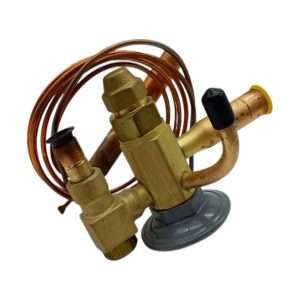
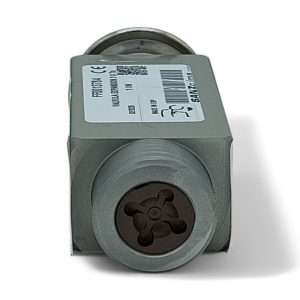
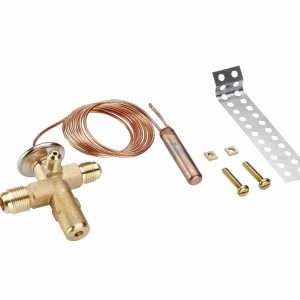
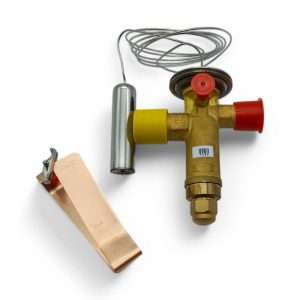
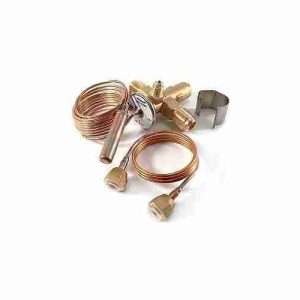
In a vehicle climate control system, expansion valves are an important component responsible for regulating the flow of refrigerant through the system. These valves allow the refrigerant to expand and evaporate in the evaporator unit, creating a cooling effect on the circulating air.
Expansion valves are mechanical devices that control the amount of liquid refrigerant entering the evaporator unit. This is achieved through a small opening that restricts the flow of refrigerant, allowing it to expand and evaporate in the evaporator unit, thereby creating a cooling effect.
Expansion valves play a crucial role in the efficient operation of a vehicle’s climate control system. If the expansion valve malfunctions, it can lead to cooling performance issues, such as reduced cooling capacity or ice buildup in the evaporator unit. Therefore, it is important to ensure that expansion valves are in good condition and properly maintained to guarantee optimal operation of the vehicle’s climate control system.
Clogging: Expansion valves can become clogged, hindering proper refrigerant flow and reducing the system’s cooling capacity. This can occur due to the buildup of dirt, debris, sediment, or other materials in the valve.
Leaks: Leaks in the expansion valve can cause refrigerant loss from the system, resulting in reduced cooling capacity. This can be caused by a defective gasket or a damaged valve.
Sensor Failure: Some expansion valves use sensors to detect the system’s temperature and pressure. If the sensor fails, the valve may not function properly, resulting in a reduction in the system’s cooling capacity.
Ice Formation: If the expansion valve freezes, it can hinder the proper flow of refrigerant, resulting in a reduction in the system’s cooling capacity. This can be caused by excess moisture in the system or an improperly adjusted expansion valve.
Warm Air: If the air coming out of the air conditioning system is warmer than usual, it could indicate a problem with the expansion valves. This may be caused by a blockage in the valve or a leak.
Reduced Cooling Capacity: If your air conditioning system isn’t cooling as effectively as it used to, it could indicate a problem with the expansion valves. A clogged or leaking expansion valve can reduce the system’s cooling capacity.
Strange Noises: Unusual noises coming from the air conditioning system could indicate a problem with the expansion valves. This may be caused by a blockage or a valve malfunction.
Ice Formation: If ice forms on the evaporator unit or in the refrigerant lines, it may indicate that the expansion valves are not functioning properly. A clogged expansion valve can cause ice to form in the system.
To extend the service life of your vehicle’s air conditioning expansion valves and prevent malfunctions, we recommend performing the following maintenance:
The
filter in the air conditioning system should be replaced regularly to prevent the buildup of dirt and debris, which can clog the expansion valve and reduce its efficiency.
Check the Refrigerant Level: The refrigerant level in the air conditioning system should be checked regularly. If the level is low, the expansion valve may operate under improper conditions, which can affect its service life and cause system failures.
Perform Preventive Maintenance: It is recommended that you perform preventive maintenance on your air conditioning system annually to detect and prevent problems before they become serious. This includes inspecting and adjusting the expansion valves and other system components.
The decision to repair or replace the air conditioner’s expansion valves depends on the type and severity of the problem, as well as the cost of repair and replacement.
In general, expansion valves are relatively inexpensive components. If the failure is severe or the valve is heavily worn, it is usually more cost-effective to replace it rather than repair it. Furthermore, replacing the valve can be more efficient and provide a long-term solution.
However, if the problem is minor and the valve can be repaired at a low cost, repair may be a viable option. This may be especially true if the air conditioning system is old and has little resale value, or if replacing the valve would require significant labor and expense.