Spanish
 English
Showing all 15 resultsSorted by latest

252069010200; 4030813522716; 25 2069 01 02 00
221000010083; 22.1000.01.00.83; 22 1000 01 00 83

VA10-BP50/C-25A; VA10BP50C25A
251818994506; 16, 24, 30, 35; 251818450600; 25 1818 99 45 06; 25.1818.45.0600
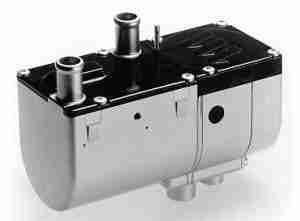
An auxiliary heater for vehicles is an additional heating system installed in a vehicle to provide heat to the vehicle’s cabin, especially in cold weather. This type of heater is primarily used in commercial and work vehicles, such as trucks, buses, ambulances, and emergency vehicles, since these vehicles often need to remain parked for long periods of time with the engine off, which can cause the interior temperature to drop.
The auxiliary heating system works similarly to a standard vehicle heating system, but it is powered by a separate energy source, such as fuel, electricity, or a standalone battery. Some auxiliary heating systems use fuel, such as diesel or gasoline, to generate heat, while others use electricity or batteries to power the heating system. These heating systems are typically compact, easy to install, and can provide heat in the vehicle’s cabin for an extended period without needing to start the engine.
Auxiliary heating can be a very useful solution for those who work in vehicles that need to remain parked for long periods in cold weather, such as truck drivers, emergency responders, construction workers, and other professionals. By keeping the vehicle’s cabin warm and comfortable, these systems can increase productivity and user comfort.
Maintenance of an auxiliary vehicle heating system may vary depending on the type of system used. Here are some maintenance tasks that may be necessary:
with auxiliary heating systems for vehicles can vary depending on the type of system used. Here are some of the most common problems that can occur:
Regular preventive maintenance is recommended to keep the auxiliary vehicle heating system in good working order.
The following are some indicators that may signal a malfunction in a vehicle’s auxiliary heating system: